Lion's Mane shows up on almost every "best nootropics" list, usually described in the same few words: memory, focus, nerve growth factor. Those words are doing a lot of work, so it's worth slowing down and looking at what's actually behind them — and at the handful of label details that separate a good Lion's Mane product from an expensive bottle of grain powder.
What Is Lion's Mane?
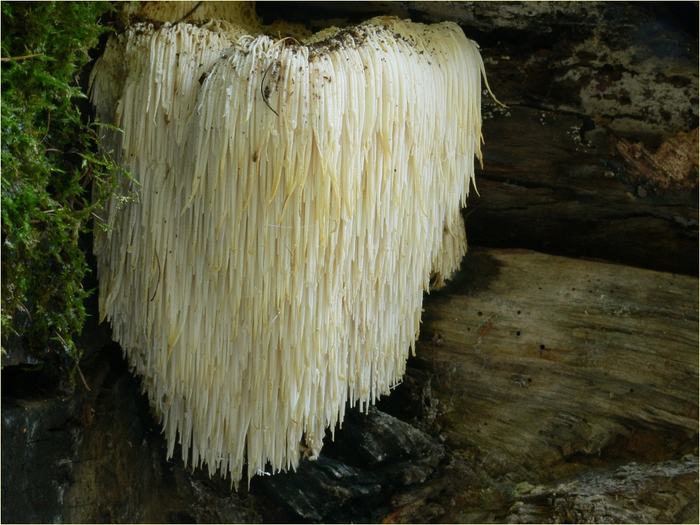
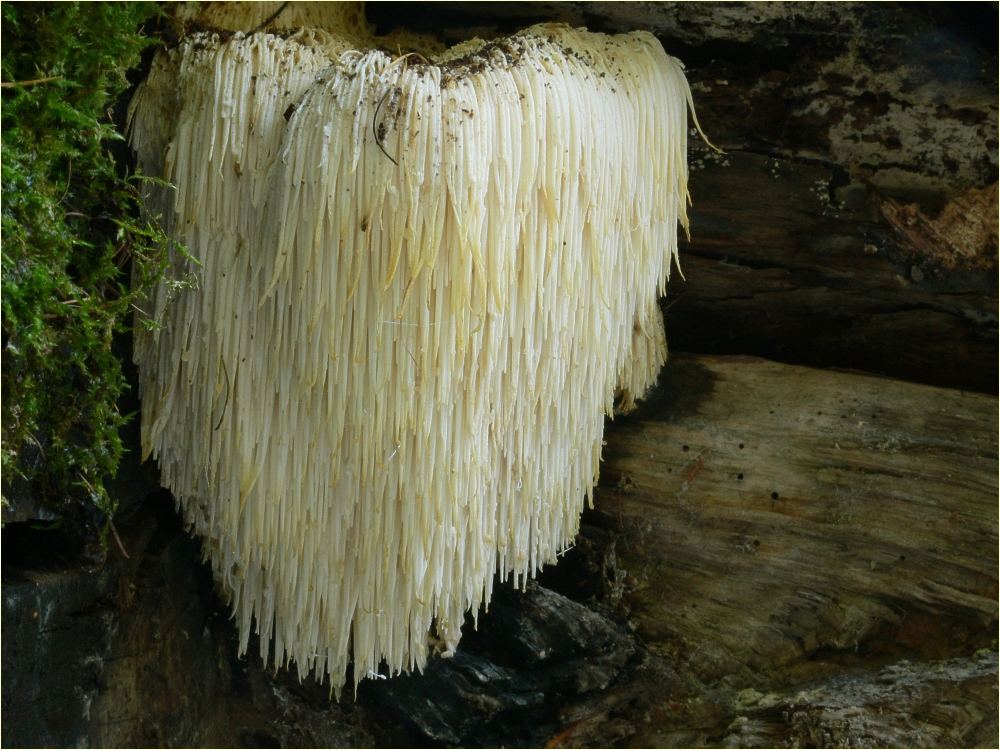
Lion's Mane (Hericium erinaceus) is a shaggy white mushroom native to North America, Europe, and Asia. It's eaten as a culinary mushroom — the texture is often compared to crab or lobster — and it has been used in Chinese and Japanese herbal traditions for centuries. In the wild it grows on hardwood trees and looks more like a cascading pom-pom of icicles than a typical mushroom with a cap and stem.
Modern interest centers on two groups of compounds it produces: hericenones, found in the fruiting body (the visible mushroom), and erinacines, found mainly in the mycelium (the root-like network the mushroom grows from). Researchers are studying both for a possible role in nerve growth factor (NGF) activity — NGF is a protein involved in maintaining and repairing nerve cells — which is the basis for Lion's Mane's reputation as a memory and focus supplement. Like other medicinal mushrooms, it also contains beta-glucans, a type of fiber studied mostly for immune-related effects.
What the Research Actually Looks At
It's worth being precise here, because this is where marketing tends to run ahead of the evidence:
- Lab and animal studies make up most of the mechanistic research — the work on NGF, on nerve regeneration after injury, and on markers of brain inflammation. These are useful for generating hypotheses, but results in a cell culture or a mouse don't automatically translate to a daily capsule doing the same thing in a person.
- Human studies are fewer, smaller, and shorter. The most frequently discussed ones involve older adults with mild cognitive concerns, where some trials reported modest improvements on cognitive tests over several months of daily use. At least one well-known small trial found the scores drifted back toward baseline after participants stopped taking it — a hint that any effect depends on continued use.
- Mood and sleep have been looked at in a few small human studies, again with interesting but preliminary results.
- Healthy young adults are the group most people buying Lion's Mane belong to, and they're the least-studied group of all.
So the honest summary is: there's a real, active research interest behind Lion's Mane, the early human results are encouraging in specific populations, and the evidence is still early. Treat claims about Lion's Mane "regrowing brain cells" or producing noticeable same-day focus with the same skepticism you'd apply to any supplement marketing.
Fruiting Body vs. Mycelium: The Biggest Buying Decision
This is the single most debated topic in the mushroom supplement world, and it's worth understanding before you compare prices.
Many mushroom supplements are made from mycelium grown on grain (often rice or oats) in a lab. When it's harvested, the grain it grew on is frequently ground up along with it, so the final powder can be a substantial percentage starch from the grain rather than mushroom material. Critics of this method point to lab tests showing low beta-glucan and high starch content in some myceliated-grain products. Supporters point out that mycelium is where erinacines are concentrated, and that some well-established brands have used mycelium for decades.
Fruiting body products are made from the actual mushroom. They tend to test higher in beta-glucans and contain hericenones, but typically contain little of the erinacines found in mycelium.
Neither camp has "won" this argument, and you don't need to pick a side on principle. What matters is transparency. A good label will tell you:
- Whether it's fruiting body, mycelium, or a blend.
- If it's mycelium, whether the grain substrate is included ("myceliated brown rice," "cultured on organic oats" and similar phrasing indicates it is).
- Ideally, a measured beta-glucan percentage — and whether starch has been tested for, since some beta-glucan tests can be inflated by starch if the method isn't specific.
Extract vs. Whole Powder
Mushroom cell walls are made of chitin, which humans don't digest well. That's why many products use a hot water extraction (to pull out water-soluble compounds like beta-glucans) and sometimes a dual extraction (hot water plus alcohol, to also capture alcohol-soluble compounds like hericenones). A plain dried-and-ground powder hasn't been extracted.
Extracts are more concentrated per gram, so a 500mg extract serving isn't comparable to 500mg of whole powder. Extraction ratios like "8:1" or "10:1" are sometimes listed, but they're a manufacturing claim you can't easily verify — a stated beta-glucan percentage is usually the more useful number.
How Much to Take, and When
| Form | Typical daily amount on labels | Notes |
|---|---|---|
| Fruiting body extract | 500–1,500mg | More concentrated; follow the label's serving |
| Whole fruiting body powder | 1,000–3,000mg | Amounts in the few-grams range are what some human studies used |
| Mycelium on grain | 1,000–2,000mg+ | Hard to compare — depends on how much grain is in the powder |
| Fresh culinary mushroom | Varies | Mostly water by weight; a food, not a measured dose |
There's no single agreed-upon dose, which is why the label's suggested serving is a more reliable guide than comparing raw milligram counts across brands. Many people split the dose across the day with meals. Lion's Mane isn't stimulating, so timing is mostly about habit — morning with coffee is common simply because it's easy to remember.
How Long Until You Notice Anything?
Lion's Mane is not an acute nootropic like caffeine or L-Theanine. Human studies generally run for weeks to months, and anecdotally many people report nothing obvious in the first week or two. If you want to fairly judge whether it's doing anything for you, plan on at least 4–8 weeks of consistent daily use, and consider keeping brief notes on sleep, focus, and mood so you're comparing against something more reliable than memory.
Stacking Lion's Mane With Other Supplements
- With coffee. "Mushroom coffee" blends are one of the most popular ways people take Lion's Mane. It doesn't blunt caffeine the way L-Theanine does — it just rides along with a daily habit.
- With other functional mushrooms. Cordyceps (energy), Reishi (evening wind-down), and Chaga are often combined in "multi-mushroom" blends. Blends are convenient but usually contain less of each individual mushroom.
- With Bacopa. Both are long-timeline memory supplements, so they're frequently paired — see our Bacopa Monnieri guide. If you start both at once, you won't be able to tell which one is responsible for any change. Deciding between them? See Lion's Mane vs. Bacopa.
Side Effects and Who Should Be Careful
Lion's Mane is generally well tolerated, and it's an ordinary food in many cuisines. The side effects reported most often are mild digestive upset and, rarely, skin itching or rash. The clearest reason to avoid it is a mushroom allergy.
Some lab and animal research has looked at Lion's Mane's effects on blood sugar and blood clotting. The human relevance is unclear, but if you take diabetes medication or blood thinners, have surgery scheduled, or are pregnant or breastfeeding, talk to a doctor before starting. That's the same general caution that applies to any new supplement taken daily for months.
Buyer's Checklist
- Label says fruiting body, mycelium, or both — clearly.
- If mycelium, it discloses whether grain substrate is included.
- Beta-glucan percentage is listed (a bonus if starch is tested too).
- Extract vs. whole powder is stated, along with the extraction method.
- Third-party testing, Organic, or Non-GMO certifications as tie-breakers.
- Cost per daily serving — not per bottle — once you've compared the above.
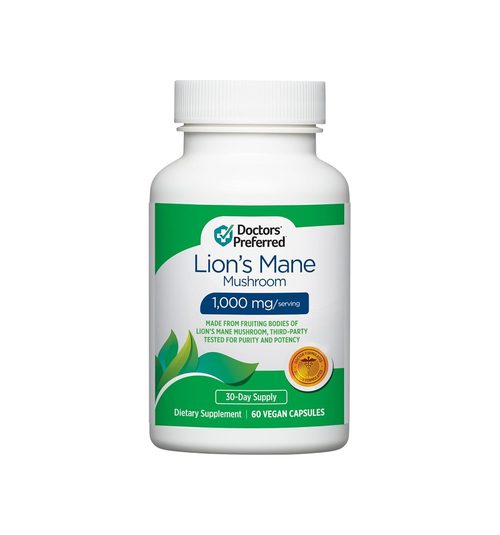
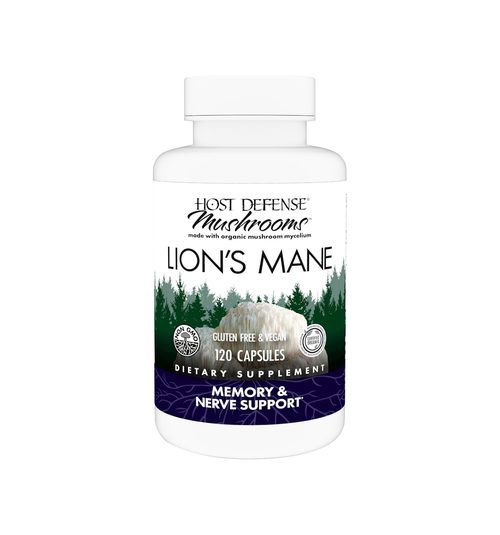
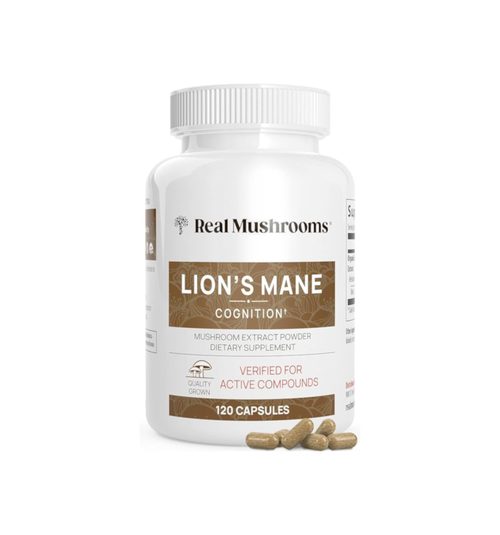
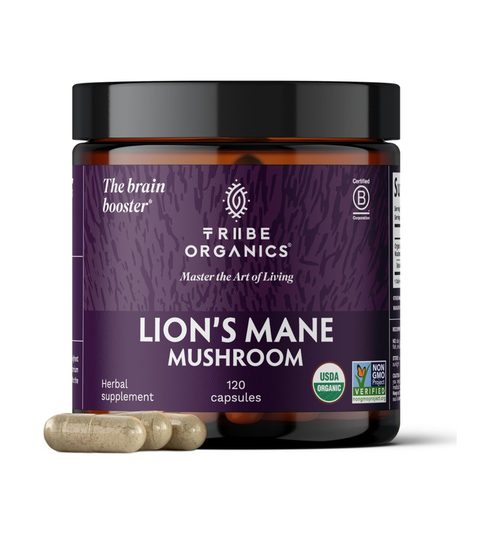
Below are four Lion's Mane products currently listed on HighIQ Nootropics, each taking a different approach to format, sourcing, and certification — worth comparing on the checklist above rather than picking on brand recognition alone.