Of everything covered on this site, L-Theanine is probably the easiest to explain and the easiest to use. It works within an hour, it doesn't need a months-long commitment, and it has an excellent safety record — which is exactly why it's worth understanding a few details that make the difference between "I didn't notice anything" and "this is now part of my morning."
What Is L-Theanine?
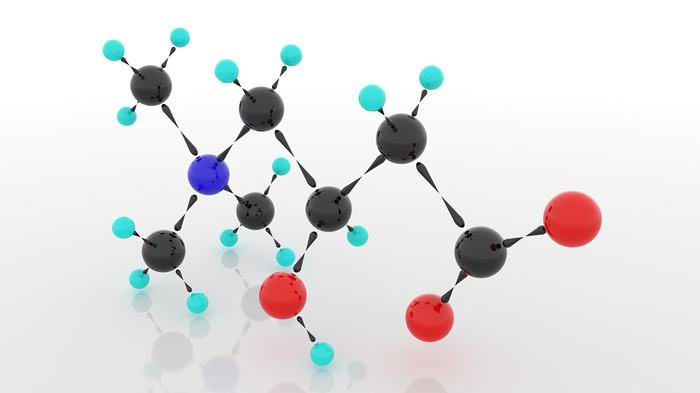
L-Theanine is an amino acid found almost exclusively in tea leaves (Camellia sinensis) and in a few mushrooms. It's a big part of why a cup of green tea feels different from a cup of coffee even when the caffeine content is similar: tea's combination of caffeine and theanine tends to produce a calmer, more even alertness.
A typical cup of tea contains only a small amount of theanine — commonly estimated in the range of tens of milligrams, depending heavily on the tea and how it's brewed. That's well below the 100–200mg doses used in most studies, which is why people who want a consistent effect usually take it as a supplement.
How It Works
L-Theanine crosses from the bloodstream into the brain, where it's studied for effects on several neurotransmitters involved in relaxation and attention. One of the most commonly cited findings is an increase in alpha brain wave activity on EEG — a pattern associated with relaxed, wakeful attention (the state you might be in while calmly reading, as opposed to drowsy or anxious).
The key word for L-Theanine is non-sedating. At normal doses it isn't a sleeping pill or a tranquilizer; people generally describe it as taking the edge off rather than slowing them down.
L-Theanine and Caffeine: The Classic Pairing
The most popular way to use L-Theanine is alongside caffeine. Small human studies of the combination have reported better performance on attention tasks and fewer caffeine-related jitters than caffeine alone.
The ratio most often cited is roughly 2:1 L-theanine to caffeine — for example, 200mg of L-theanine with about 100mg of caffeine (roughly a cup of coffee). Some people prefer 1:1. Practical tips:
- Take them together, or the L-theanine shortly before your coffee.
- If you're sensitive to caffeine, adjusting the ratio up (more theanine) is a common approach.
- It won't cancel out caffeine's effect on sleep if you drink coffee late in the day.
L-Theanine for Stress, Anxiety, and Sleep
Stress: Small studies have looked at L-Theanine in people facing stressful tasks or reporting everyday stress, with some reporting reduced stress responses. It's not a treatment for an anxiety disorder, but many people use it for situational stress — before a presentation, an exam, or a busy day.
Sleep: L-Theanine doesn't knock you out, but some research has looked at doses around 200–400mg taken before bed for sleep quality — how rested people feel, rather than how quickly they fall asleep. It's often combined with magnesium or GABA in "sleep" formulas.
How Much to Take, and How Fast It Works
| Goal | Common approach |
|---|---|
| Smoother coffee | 100–200mg with your caffeine |
| Situational calm | 200mg, 30–60 minutes beforehand |
| Sleep quality | 200–400mg in the evening |
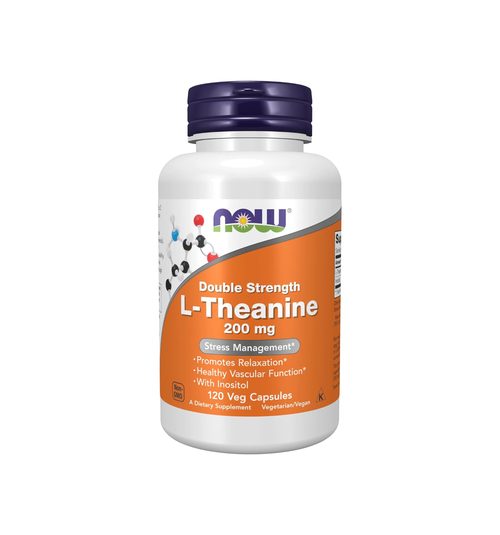
Most single-ingredient products come in 100mg, 150mg, or 200mg capsules (200mg is often labeled "double strength"), so it's easy to adjust by taking one or two. Effects typically begin within 30–60 minutes and fade over several hours, which means you'll know fairly quickly whether you notice it.
What to Look For When Buying
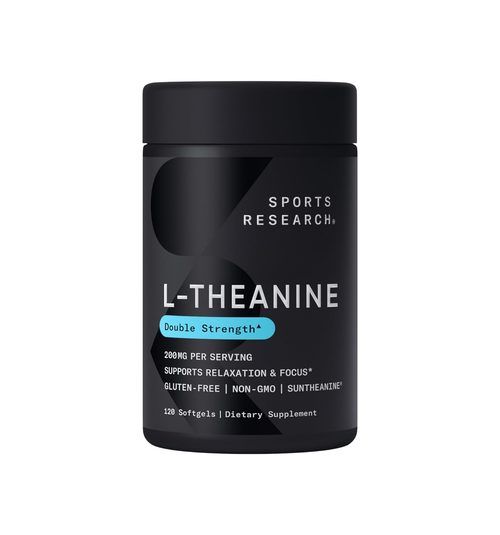
- Suntheanine vs. generic L-theanine. Suntheanine is a patented form of pure L-theanine used in a meaningful share of published research. The practical distinction: theanine exists in two mirror-image forms (L and D), and some cheaply synthesized products can contain a mix. A product that specifies Suntheanine or "pure L-isomer" removes that uncertainty.
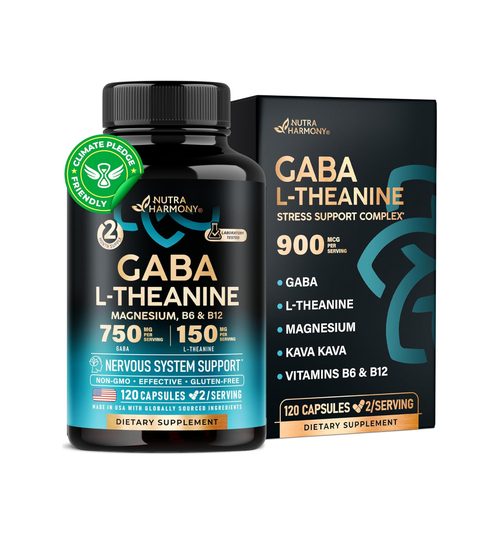
- Single ingredient vs. combination formulas. Some products pair L-theanine with GABA, magnesium, or B vitamins for a broader calming stack. That's fine, but if you want to know how L-theanine specifically affects you, a single-ingredient product makes it easier to judge.
- Format. Capsules and softgels are both common; softgels can be easier to swallow. Powders are cheapest per dose and dissolve easily into drinks.
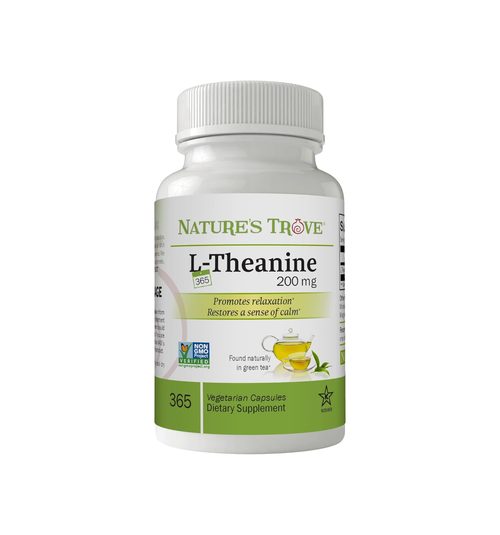
- Bottle size. Because it's often taken daily long-term, larger bottles (300+ capsules) lower the per-dose cost once you know it works for you.
Stacking L-Theanine
- With Rhodiola Rosea to soften Rhodiola's stimulating edge — see our Rhodiola guide and Rhodiola vs. L-Theanine for stress.
- With Lion's Mane in a morning coffee routine — see our Lion's Mane guide.
- With magnesium in the evening for a wind-down routine.
Side Effects and Who Should Be Careful
L-Theanine is very well tolerated in studies. Occasional reports include mild headache, dizziness, or stomach upset. A few things to keep in mind:
- It may lower blood pressure slightly, so check with a doctor if you take blood pressure medication.
- If you take sedatives or other calming medications, ask a doctor before adding it.
- There isn't enough safety data during pregnancy or breastfeeding, so check first — though the small amounts in a cup of tea aren't generally considered a concern.
- Some people feel its calming effect more distinctly than others, so try it on a low-stakes day first rather than right before something that requires peak sharpness.
Below are four L-Theanine products on HighIQ Nootropics — a combination formula, a full year's supply of a single-ingredient capsule, a double-strength option with inositol, and a Suntheanine softgel.